
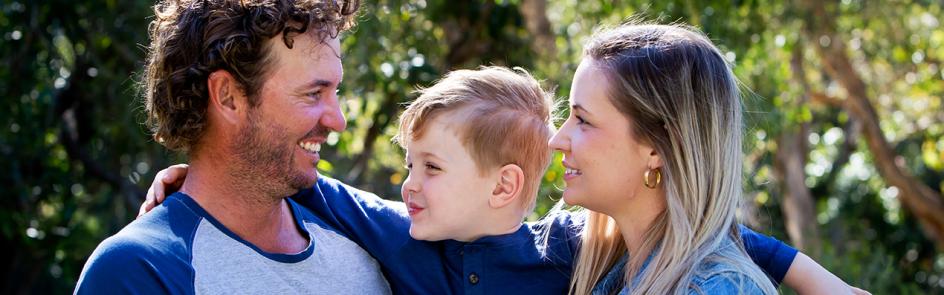
Having a child diagnosed with cancer can be devastating. It affects parents, immediate family members, and extended family as well. Facing such a diagnosis can be overwhelming and leave you with many questions and concerns.
Information found on this section includes:
- The differences between adult and children’s cancer
- How cancer is diagnosed
- How cancer is treated
- Statistics for children's cancer
What is children's cancer?
Cancer is a disease of the cells, which are your body’s basic building blocks. Cells divide and form new cells all the time to replace old, or dead cells. For example, new skin cells replace old skin cells when they die. This process happens throughout your whole body.
How is cancer diagnosed?
Common tests used to investigate symptoms and diagnose children's cancer.
How is cancer treated?
Common treatments for children's cancer, how these treatments work, and what side effects they might have.
Statistics for children's cancer
Refer to the Australian Childhood Cancer Registry’s Australian Childhood Cancer Statistics Platform and Cancer Australia’s National Cancer Control Indicators website for the latest statistics on childhood cancer incidence, prevalence, mortality, survival, stage at diagnosis and non-stage prognostic indicators for the most common cancers among children under the age of 15 in Australia.